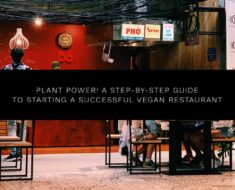
Running a vegan restaurant is a unique calling. It’s rarely just a business; it’s a mission. It’s a physical extension of your values, a place where you are building a community for people who share your passion for ethical, sustainable, and compassionate living. You are not just serving food; you are creating a safe space where your guests can feel truly seen, understood, and catered to.
But in today’s world, creating a safe space has taken on a much broader meaning. It’s not just about emotional comfort; it’s about physical safety.
Your mission-driven business can, unfortunately, attract a unique set of challenges, from online harassment to, in rare cases, physical vandalism from those who oppose your message. This is in addition to the everyday safety concerns that all businesses face. Creating a 360-degree safety plan is therefore a critical part of protecting your mission, your staff, and your community. This starts with your physical perimeter. A visible deterrent, like a well-lit entrance or a professional security booth for a larger venue, is a powerful, non-verbal signal that you take your property’s safety seriously.
A truly safe restaurant thinks holistically, from the food on the plate to the locks on the door. Here’s a look at how to make your vegan restaurant a true sanctuary.
1. The Critical Food Safety Promise
For a standard restaurant, food safety is about preventing illness. For a vegan restaurant, it has a second, ethical dimension that is just as important to your customers.
- The Cross-Contamination Risk: Your customers trust you to provide a 100% plant-based experience. A simple mistake, like using a cutting board that was also used for a staff member’s non-vegan lunch, or a supplier error, can be a major breach of that trust.
- The Hidden Allergen Risk: Many vegan staples are also major allergens (e.g., cashews, peanuts, soy, gluten).
How to Make it Safer: Your kitchen must have ironclad, clearly documented protocols. This includes using dedicated, color-coded prep areas and utensils (e.g., purple for allergen-free). Your menu must be explicitly clear about which dishes contain major allergens. This isn’t just a menu tip; it’s a core part of your safe space promise to your community.
2. Training Your Staff in Mission De-escalation
Your front-of-house staff are your ambassadors. They are also, unfortunately, on the front lines. They will inevitably face challenging and hostile questions from skeptical or confrontational diners.
- The Gotcha Questions: “How do you know this is really vegan?”
- The Aggressive Debates: “You know, plants feel pain, too.”
How to Make it Safer: Protect your staff’s emotional well-being by empowering them with training. They are not paid to be political debaters.
- Invest in De-escalation Training: Teach your staff to recognize the difference between a curious question and a hostile confrontation.
- Give Them an Exit Script: Provide them with a polite, professional, and firm response (e.g., “I am happy to answer any questions you have about our menu, but I am not able to engage in a larger debate right now. Thank you for understanding.”) and empower them to immediately get a manager when a situation escalates.
3. Prioritizing Staff Safety, Especially at Night
This is a universal concern for all restaurants, and it’s a critical one. Your employees, especially your keyholders and closing-night staff, are most vulnerable when they are opening in the dark or closing up late at night.
How to Make it Safer:
- The Buddy System: Implement a strict policy that no employee, ever, is allowed to close the restaurant or walk to their car alone.
- Invest in Lighting: Your parking lot, your back-of-house areas, and your delivery entrances should be flooded with bright, motion-activated lights.
- Cash Management: Have a clear cash-handling policy that involves regular and secure bank drops. Do not let large amounts of cash accumulate on-site, especially overnight.
4. Creating a Visible, Physical Deterrent
Because a vegan business is often mission-driven and sometimes associated with activism, it can unfortunately be a target for vandalism, graffiti, or “protests.” A visible, professional security presence is your first and best line of defense.
How to Make it Safer:
- High-Quality Cameras: Invest in a modern, high-definition, and cloud-based security camera system that covers all your entrances, your dining room, and your exterior.
- A Hardened Entrance: Your locks, your doors, and your windows should be high-quality and commercial-grade.
- Control Your Perimeter: For a larger establishment, a high-visibility guard station at the entrance to the property or parking lot is the ultimate deterrent. It creates a professional first impression that this is a secure, well-managed property, not a soft target.
5. Managing Your Digital Safe Space
For many vegan businesses, the most common and persistent attacks are digital. Review bombing—when a coordinated group of people who have never visited your restaurant flood your Google or Yelp page with 1-star reviews—is a common tactic.
How to Make it Safer:
- Don’t Feed the Trolls: Do not engage in angry arguments in the review responses. This only fuels the fire and lowers your brand’s professionalism.
- Report, Report, Report: Flag and report the fake reviews to the platform (Google, Yelp, etc.).
- Activate Your Ambassadors: Your best defense is a good offense. Actively and consistently encourage your real, happy, and loyal customers to leave you positive, authentic reviews. This will drown out the fakes and keep your star rating a true reflection of your quality.
A truly safe restaurant is a resilient one. By creating a 360-degree plan that protects your food, your staff, your physical property, and your digital reputation, you are building a strong foundation that allows your community—and your mission—to flourish.