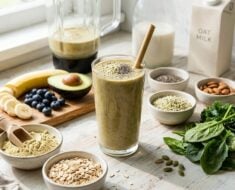
Recovery is a vital component of any balanced lifestyle, especially when you are dedicated to a plant-based routine. It encompasses more than just resting your muscles after activity; it involves nourishing your body, calming your mind, and fostering a sense of harmony in your daily life. Cooking serves as a bridge between active physical engagement and necessary downtime, transforming the way you approach your health and well-being. By viewing your time in the kitchen as a restorative practice, you can elevate your culinary routine into a powerful tool for self-care.
Developing a Recovery-Centric Culinary Mindset
A recovery-centric culinary mindset begins with shifting your focus from simply preparing meals to actively nourishing your system. When you prepare food, consider the qualities of the ingredients you choose and how they might contribute to your overall state of balance. Instead of rushing through preparation, try to engage with the textures, aromas, and colors of fresh produce. This mindful approach can turn a mundane task into a soothing ritual that grounds you before or after physical activity.
By intentionally selecting wholesome, plant-based ingredients, you create a foundation for sustained energy and gentle recovery. This approach emphasizes quality over complexity, encouraging you to rely on simple techniques that highlight the natural flavors of your food. Embracing this perspective allows you to cultivate a deeper connection with your ingredients and, by extension, your own physical needs.
Integrating Gentle Movement into Your Daily Flow
Physical movement and intentional nourishment are intrinsically linked. When your body is in a state of recovery, gentle activity can assist in circulation and relaxation, further enhancing the benefits of the nutrient-dense meals you prepare. Many people find that incorporating supportive movement practices helps to clear the mind and prepare the body for deeper rest, creating a synergy between their time in the kitchen and their time on the mat.
For those looking to deepen their understanding of how movement and wellness can align, bikramyogales.com provides insights into maintaining health through accessible practices that can be integrated into your home routine. By combining these gentle movement techniques with your culinary habits, you foster a comprehensive approach to recovery that addresses both physical and mental rejuvenation.
Prioritizing Whole Foods for Body Support
Your dietary choices play a substantial role in how effectively your body recovers from daily stress and physical exertion. Opting for whole, unprocessed foods ensures you receive a broad spectrum of nutrients that support your natural processes. Focus on colorful vegetables, legumes, whole grains, and healthy fats, as these offer the variety necessary for comprehensive nourishment.
Understanding the impact of your choices on your overall health is a cornerstone of a sustainable vegan lifestyle. Resources like Taking Care of My Liver offer perspectives on how specific dietary and lifestyle habits contribute to maintaining optimal health and supporting the body’s natural functions. Integrating this awareness into your cooking routine helps you make informed decisions about the meals you create, ensuring they are truly supportive rather than just filling.
Creating Consistent Nourishment Habits
Building consistent habits is essential for maintaining a recovery-focused lifestyle. Consistency does not mean rigidity; rather, it means finding a rhythm that works for your unique schedule and needs. By establishing predictable patterns, you reduce the decision fatigue that often leads to less ideal food choices. Consider how you can structure your kitchen time to better support your goals throughout the week.
If you find it challenging to maintain consistency, looking into broader practices can be very helpful. Adopting sustainable kitchen practices for mindful living can significantly streamline your efforts, making it easier to integrate healthy habits into your daily routine. Here are a few ways to build these habits:
- Dedicate brief periods each week to organize your pantry, ensuring you have healthy staples readily available.
- Prepare large batches of foundational ingredients like grains or legumes that can be easily incorporated into varied meals.
- Create a routine that emphasizes slow, deliberate preparation, viewing it as a moment to transition from activity to rest.
- Prioritize seasonal produce, which often provides the nutrients your body naturally craves during different times of the year.
Refining Your Kitchen Workflow
Efficiency in the kitchen is not about speed, but about creating a workflow that feels natural and calm. A cluttered or disorganized space can add unnecessary stress, which is contrary to your goal of recovery. Take the time to arrange your kitchen in a way that minimizes movement and maximizes ease, making your cooking process feel more fluid. Keeping your most-used tools and ingredients accessible will naturally simplify your prep work.
Beyond physical organization, consider the mental space you occupy while cooking. Approach your tasks with patience, allowing yourself to fully experience the process without feeling the need to rush. This deliberate pace can help reduce the mental burden of daily responsibilities, allowing the kitchen to serve as a genuine sanctuary. When your workflow is balanced, you are more likely to enjoy the act of cooking and the benefits of the nourishing meals you create.
Emphasizing Patience and Consistency
Cultivating a recovery-oriented culinary life is a journey, not a destination. There will be days when your plans change, and that is perfectly fine. The goal is to return to your practices with grace and without self-criticism. Patience is perhaps the most important ingredient, as it allows you to adapt your approach to your evolving needs and circumstances.
By staying consistent with your commitment to mindful preparation and wholesome choices, you will likely notice a greater sense of balance and ease in your life. This process is about building a foundation of wellness that supports you through all aspects of your journey, from the kitchen to your physical activities and beyond. As you continue to refine your habits, celebrate the small, positive changes you make, knowing that each step contributes to a more vibrant and nourished you.