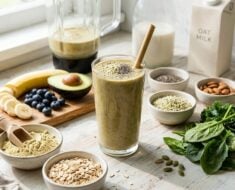
Cooking plant-based meals offers a unique opportunity to explore the depths of flavor without relying on traditional animal products. When you shift your focus to the inherent qualities of vegetables, grains, legumes, and seeds, you begin to see your kitchen as a workshop for creativity. Achieving a balance of flavors is not merely about following a recipe but about understanding how different elements interact to create a meal that feels complete, satisfying, and deeply nourishing. By learning to adjust your seasoning and ingredient pairings intuitively, you can elevate your everyday meals from simple sustenance to truly memorable dining experiences.
Understanding the Foundation of Plant-Based Taste
The core of any great dish lies in the foundational balance of flavors, which often involves navigating the interplay between savory, bitter, sweet, and sour notes. In vegan cooking, creating savoriness—often called umami—is essential for making a dish feel robust and fulfilling. You can achieve this by utilizing ingredients like sun-dried tomatoes, miso paste, mushrooms, and nutritional yeast, which naturally provide that deep, earthy depth that characterizes a hearty meal. Rather than seeking out complexity for its own sake, focus on how these foundational elements build a base upon which other flavors can shine.
Bitterness, while often overlooked, is a crucial component that adds sophistication and interest to a plate. Think of dark, leafy greens like kale or arugula, or the charred edges of roasted Brussels sprouts. These ingredients balance out the sweeter components of a meal, preventing it from becoming cloying. When you properly manage these contrasting flavors, you create a more dynamic experience for the palate. The goal is not to eliminate bitterness but to harmonize it with sweet or savory elements to ensure a balanced, pleasant bite.
Incorporating Diverse Ingredient Profiles
Expanding your culinary repertoire often requires looking beyond the basic pantry staples and finding ways to integrate a wider variety of whole foods. The more you experiment with different herbs, spices, and types of produce, the more adept you will become at identifying which combinations work best together. This exploration is also about considering how your dietary choices align with your overall health goals. When you are looking to round out your nutritional approach, exploring resources like Get Wellness Deal can offer insights into the types of supplements that support a balanced lifestyle.
As you introduce more variety into your kitchen, consider how the subtle flavors of different grains or legumes can change the character of your cooking. A dish made with hearty lentils has a completely different presence on the plate than one centered on delicate quinoa or nutty farro. By treating each ingredient with care and understanding its specific flavor profile, you can learn to build layers of taste that make plant-based meals feel genuinely substantial. This approach encourages a more intentional way of cooking where you prioritize the quality and diversity of your ingredients above all else.
The Role of Acidity and Brightness
One of the most common pitfalls in plant-based cooking is neglecting the power of acidity to awaken a dish. Many vegan meals, particularly those centered on starches, benefit immensely from a touch of brightness to cut through richness and add life to the plate. Whether it is a squeeze of fresh lemon juice, a splash of apple cider vinegar, or the inclusion of pickled vegetables, acid serves as a bridge that connects different flavors and keeps them from feeling flat or heavy. You should aim to add this brightness towards the end of the cooking process to ensure its punchy, vibrant character remains prominent.
Understanding how certain ingredients interact with your overall health is a major part of the journey, and platforms like supplementsangles.com provide information that may help you feel more confident about your daily intake. As you become more comfortable using acidity to brighten your meals, you will find that it also helps to highlight the natural sweetness of vegetables like carrots, beets, and sweet potatoes. This technique is simple yet transformative, acting as a secret weapon in your culinary repertoire that requires very little effort but yields significant rewards in terms of flavor and satisfaction.
Building Texture for a Satisfying Experience
Flavor is only half of the equation; texture is what makes the experience of eating truly enjoyable. A meal that is entirely soft or entirely crunchy lacks the necessary variation to maintain interest throughout a dish. By intentionally layering different textures, you can make your plant-based meals feel more dynamic. Consider the contrast between a creamy sauce and roasted, crunchy vegetables, or the difference between a smooth puree and the chewiness of a well-cooked grain. These contrasts signal to your senses that the meal is multifaceted and satisfying.
Once you have mastered these basics, you might consider transforming your pantry into intuitive wellness to further elevate your daily kitchen habits. When you create these textures, think about how the cooking method influences the final outcome. Steaming, for instance, preserves the crispness of vegetables, while long-duration roasting coaxes out deep, caramelized flavors and creates a tender interior. By combining various techniques, you build a sensory experience that keeps you engaged and looking forward to your next meal.
Practical Steps for Daily Culinary Refinement
Refining your cooking style is a process of observation and adjustment. To move towards a more intuitive way of balancing flavors in your kitchen, follow these practical steps:
- Taste every component of your meal at different stages of the cooking process.
- Adjust your seasoning incrementally, using small amounts of salt or acid, rather than adding too much at once.
- Use fresh herbs at the very end of cooking to maintain their bright, aromatic quality.
- Balance heavier, starchy dishes with light, raw elements like fresh slaw or salads to provide textural contrast.
- Consider the temperature of your ingredients, as warmer foods tend to have a more pronounced flavor than cold ones.
These practices allow you to develop a deeper connection to your food and a better understanding of how your own palate responds to different flavor combinations. As you continue to refine your technique, remember that the most successful cooks are those who are willing to experiment and adapt based on their own preferences. Cooking is a personal craft, and each time you enter the kitchen, you have the opportunity to learn something new about how to balance flavors in a way that truly serves your well-being.
The journey toward mastery in plant-based flavor balancing is continuous. There is always more to discover, whether it is a new way to use a familiar spice or a different method for enhancing the natural qualities of your favorite vegetables. By focusing on the fundamentals, remaining open to experimentation, and approaching your time in the kitchen with curiosity and patience, you can cultivate a routine that not only nourishes your body but also brings genuine joy and creativity to your life. The focus on quality ingredients and thoughtful technique remains the best path forward for anyone seeking to improve their culinary skills.