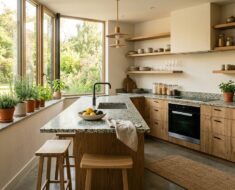
Creating a dining area that supports your lifestyle is a fundamental step in making plant-based living enjoyable and sustainable. The space where you eat is not just a place for consumption; it is the heart of your home where you connect with food and company. When you approach your dining room design with the same care that you bring to your plant-based meal preparation, you can cultivate an environment that fosters relaxation, nourishment, and connection.
Many people find that dedicating a specific area for meals helps them slow down and appreciate the time spent away from work or daily tasks. Whether you live in a large house or a compact apartment, a thoughtful arrangement can transform any nook into a welcoming sanctuary. By focusing on comfort, functionality, and aesthetic harmony, you can create a space that reflects your commitment to a vibrant, plant-based way of life.
Establishing a Focused Dining Area
The foundation of a great dining room is furniture that encourages lingering conversation. When your seating is comfortable and your table is sized correctly for your needs, you are more likely to enjoy lengthy, wholesome meals. A sturdy, well-chosen dining set becomes the centerpiece of the room, grounding the space and setting the tone for your daily routines.
When you begin searching for the right pieces to define your dining space, you can find a variety of styles that suit different home aesthetics at newdiscountfurniture.com to create a functional area for hosting. Once you have the right table, consider how you position it within the room. Ideally, it should be placed where it feels accessible but distinct from the kitchen or work areas, allowing you to mentally shift from cooking or chores to enjoying the meal you have prepared.
Enhancing the Atmosphere with Decor
The atmosphere of your dining room can significantly influence how you experience your meals. Natural light is excellent for daytime, while warm, dimmable lighting can create a cozy mood for evening dinners. Incorporating elements of nature—such as potted plants, wooden textures, or natural textiles—can complement a plant-based theme and bring a sense of freshness to the dining area.
When planning your home decor, you might find useful tips on lighting and furniture layout in DecoratorAdvice which covers various aspects of home improvement and aesthetic design. Think about the colors on your walls and the accessories you choose; calming, earthy tones often work well to keep the focus on the food and the people at the table. A clean, uncluttered surface with simple, meaningful decor allows the table to remain the primary gathering point.
Connecting the Kitchen and Dining Experience
A successful dining experience often starts in the kitchen. If your dining area is too far from where you cook, carrying bowls and plates can become cumbersome. Ideally, you want a flow that minimizes friction, allowing you to bring hot, fresh meals to the table without effort. This connection between the prep space and the eating space is essential for hosting without stress.
As you improve your dining area, it is also beneficial to consider your prep area, as we discussed in our earlier article on cultivating a harmonious plant-based cooking space, to create a seamless transition from preparation to service. When your prep area is efficient and your dining area is welcoming, the entire process of serving plant-based food feels more integrated and intentional. This harmony between spaces reduces the effort required to get dinner on the table and makes hosting friends or family a much more enjoyable experience.
Practical Hosting Considerations
When hosting friends, particularly if you are serving plant-based meals, it helps to focus on accessibility. Using large serving platters that allow guests to help themselves can encourage interaction and make the meal feel more relaxed. Make sure there is enough space on the table for all the dishes, and consider having a nearby side table or sideboard for additional items like water pitchers, extra utensils, or napkins.
Comfort is another priority. Ensure that your chairs are positioned comfortably and that the height of the table is correct. If you frequently host groups, you might consider versatile furniture that can be expanded or easily moved. Being prepared in advance allows you to spend more time engaging with your guests and less time scrambling for extra items during the meal.
Maintaining the Eating Space
Keeping your dining area clean is essential for ensuring that it remains an inviting place for daily meals. A tidy dining room reduces visual clutter and helps you maintain focus on the food. Establishing simple habits to reset the table after each meal can prevent chores from piling up and ensure the space is ready for the next time you sit down to eat.
To help maintain this space effectively, focus on these manageable steps:
- Clear the table surfaces immediately after finishing your meal to prevent accumulation.
- Wipe down your dining furniture with a damp cloth regularly to keep it free of dust.
- Use washable placemats or table runners to protect the surface while adding visual interest.
- Keep essential items like cloth napkins and coasters in a nearby drawer for easy access.
Finally, remember that the dining room is a space meant for enjoyment. It does not need to look perfect at all times to be a warm and functional place for your meals. By prioritizing comfort and maintaining a manageable, clean environment, you can ensure that your dining area serves you well for every breakfast, lunch, and dinner you host.