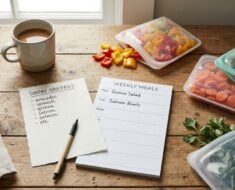
A training week can fill a kitchen calendar faster than almost anything else. Practice sessions run late, meals get skipped, and the leftovers from one evening never seem to match the menu for the next. Batch cooking offers a calmer path, because a single afternoon of planning can supply several dinners and lunches. The method works only when the food is chosen and stored with care.
The aim is ordinary, reliable food rather than elaborate recipes. This article covers choosing forgiving proteins, cooling and storing food safely, and packing portions for practice days. None of it is medical guidance, and the amounts should suit the eaters at your own table. Repeat the routine week after week until it feels ordinary.
Choosing Forgiving Proteins
Some proteins hold their texture well after reheating, which makes them ideal for batch cooking. Chicken thighs, lean ground meat, firm tofu, and dried beans often stay pleasant over several days. Fish can be cooked in batches too, but it usually tastes best when eaten within a day or two. Readers may also want to visit House Muscle.
Pair the protein with a simple base such as rice, potatoes, or pasta. Keep the base in a separate container so it does not turn soggy when the dish is reheated. Cooked vegetables can be added at the last moment to keep their color and crunch. A balanced set of components gives you flexibility without extra cooking on busy nights.
Seasoning can be varied after the cooking is finished. Set out a few small jars of sauce, herbs, or chili flakes so each eater can adjust the plate. This small step prevents the monotony that often ends a batch cooking habit within a month. It also lets younger eaters choose milder flavors without a separate dinner.
Cooling and Storing Food Safely
Food safety begins as soon as the pan comes off the heat. Spread the cooked food on a shallow tray so it cools quickly, then move it into the refrigerator without long delays. You can also visit Giraflat.com for more reading. Clear labels with the dish name and date help everyone use the containers in the right order.
Freezing suits anything that will not be eaten within a few days. Portion the food into flat containers so it thaws evenly, and write the freeze date on each lid. Thaw frozen meals in the refrigerator rather than on the counter. Plan the thawing a day ahead so the schedule does not slip.
Reheating Leftovers Without Losing Quality
Reheat leftovers until they are steaming hot all the way through. Stir partway through to avoid cold spots, and avoid reheating the same portion again and again. For a related read on this site, see Dressing for a Live Cooking Demo Where Cameras. Discard anything that smells sour or looks unusual rather than taking a chance.
Cover the containers while they reheat so that moisture stays in the food. A food thermometer removes the guesswork when one is available. Careful habits like these protect everyone at the table, especially young children and older relatives.
Plan the portions by counting the people who will eat each day, then add a little extra for a hungry teammate. Write the counts on the planning sheet so the next batch starts from real numbers rather than guesses. Over a few weeks, the sheet shows which dishes disappear quickly and which need a smaller batch.
Packing Lunches for Practice Days
Practice days need food that travels well and does not require a microwave. Pack the protein in a sealed container, keep the base in another, and add fresh fruit or crunchy vegetables in a separate section. An insulated bag with a cold pack keeps the lunch safe until it is eaten. Many families also pack a small extra snack in case the session runs long.
Ask each eater what they want before the batch is cooked. Children and teenagers are more likely to finish a meal they helped choose. A short conversation on the weekend can save a great deal of waste later in the week.
Label each container with a short note about its contents and any spice level, since some eaters prefer milder food. Store the finished containers toward the back of the refrigerator rather than in the door, where temperatures change each time the door opens. These small habits keep the batch organized from the first night to the last.
Keeping the Plan Flexible
No batch plan survives every week intact. Some weeks bring extra practices, and others bring cancellations that leave food in the refrigerator too long. Keep a short list of freezer-friendly backup dishes so unused portions can be saved. A flexible plan is what turns batch cooking into a lasting habit.